Five small habits that make weight loss finally stick

Weight loss sticks when it relies on small daily habits rather than willpower. The five habits that help most are: eating protein and fiber at every meal, drinking water before meals, sleeping at least 7 hours, walking or moving every day, and planning for cravings instead of fighting them. The CDC notes that people who lose weight gradually, at about 1 to 2 pounds a week, are more likely to keep it off.
Most diets fail for the same reason: they run on willpower, and willpower runs out. People who keep weight off long term tend to lean on quiet daily habits instead of dramatic restriction.
Why do most diets stop working?
Strict diets ask you to make dozens of hard choices every day. Hunger rises, energy drops, and eventually the plan breaks. Habits work differently: once a behavior is automatic, it takes almost no willpower to keep going.
One factor that gets overlooked is serotonin, the brain chemical tied to mood and appetite. When it dips, cravings climb and motivation sinks, which is why so many strict plans collapse around week three.
5 small habits that make weight loss stick
1. Build every meal around protein and fiber
Protein and fiber both help you feel full for longer. A simple rule: fill half the plate with vegetables, a quarter with a protein (eggs, fish, chicken, beans, yogurt) and a quarter with whole grains or potatoes. US dietary guidelines suggest about 14 grams of fiber for every 1,000 calories you eat, and most people eat far less.
2. Drink a glass of water before meals
In a 12-week trial of middle-aged and older adults on a calorie-controlled diet, the group that drank about 500 ml of water before each main meal lost more weight than the group that did not. It is an easy habit to attach to something you already do.
3. Protect your sleep
The CDC recommends at least 7 hours of sleep a night for adults. Short sleep is linked to stronger hunger and cravings the next day, so a consistent bedtime is a weight-loss habit too.
4. Move every day, even briefly
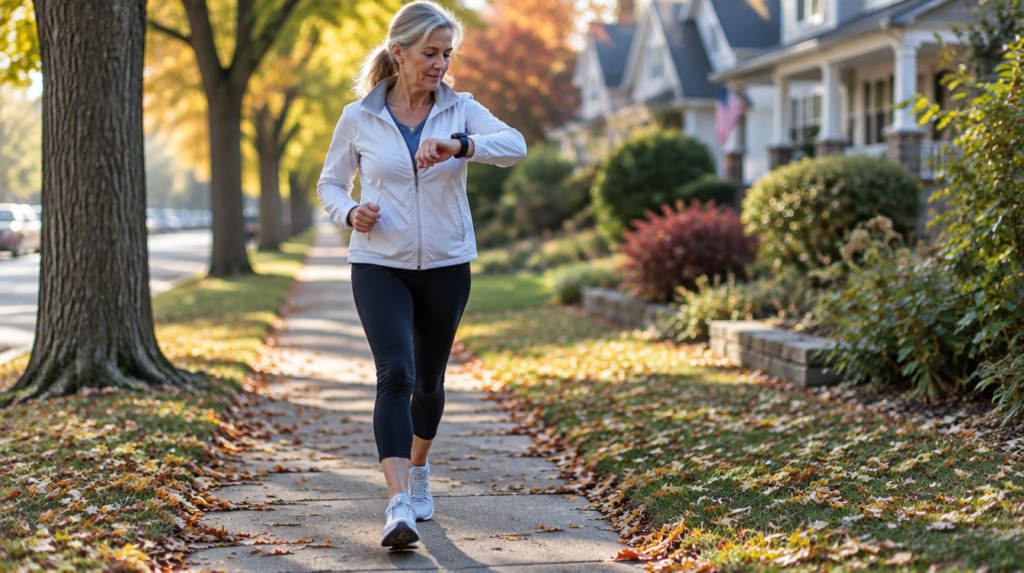
Health authorities such as the CDC and the WHO recommend at least 150 minutes of moderate activity a week for adults. That is about 30 minutes on 5 days. A brisk walk after dinner counts, and short walks add up.
5. Plan for cravings instead of fighting them
Decide in advance what you will do when a craving hits: a planned snack, a walk, a cup of tea. Keep tempting foods out of sight and easy, healthy options within reach. Making the healthy choice the easy choice beats relying on willpower.
Quick-start habit plan
| Habit | Start with | Build up to |
|---|---|---|
| Protein and fiber | Add a protein to breakfast | Protein and vegetables at every meal |
| Water before meals | One glass before dinner | A glass before each main meal |
| Sleep | Fixed bedtime on weeknights | 7+ hours every night |
| Daily movement | 10-minute walk after one meal | 150 minutes of activity a week |
| Craving plan | Pick one planned snack | A clear plan for your top 3 trigger moments |
Add one habit at a time. When it feels automatic, usually after a few weeks, add the next one.
We pulled together five simple, repeatable habits that support steady energy and a calmer appetite, the kind of changes you can actually keep without rearranging your whole life.
This article is for general information only and is not medical advice. Talk to your doctor before making major changes to your diet or exercise, especially if you have a health condition.
Small habits for weight loss: frequently asked questions
The habits with the most support are eating protein and fiber at each meal, drinking water before meals, sleeping at least 7 hours, moving every day and planning ahead for cravings.
The CDC notes that people who lose weight gradually and steadily, about 1 to 2 pounds a week, are more likely to keep it off than people who lose it fast.
Strict diets depend on willpower, which runs out as hunger and cravings build. Habits that become automatic need far less willpower, so they last longer.
In a 12-week trial, adults on a calorie-controlled diet who drank about 500 ml of water before main meals lost more weight than those who did not. It works best alongside other healthy habits.
For general health, adults are advised to get at least 150 minutes of moderate activity a week. For weight loss, combining activity with eating habits works better than exercise alone.